Cyber Security Basics
Cyber Security Basics
Technology plays a central role in how we live and work. Many people interact with digital systems every day without fully understanding the risks involved. I’ve included this section in my portfolio to break down Cyber security into clear, practical concepts that anyone can understand. Security awareness shouldn’t be limited to technical professionals it’s something that benefits everyone.
What is Cyber Security?
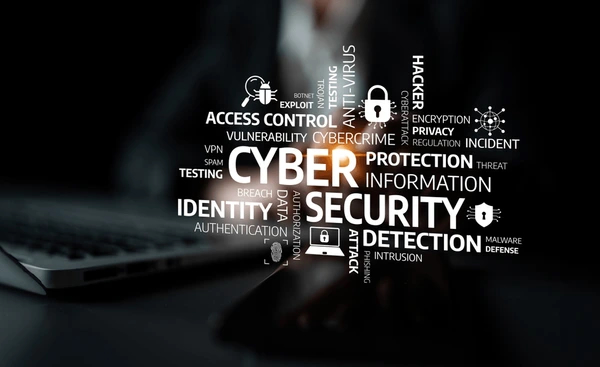
Cyber security is the practice of protecting computers, networks, devices, and data from unauthorized access or damage.
In simple terms, it’s the digital equivalent of locking your doors and windows. Just as physical security protects your home, Cyber security protects your online life. It safeguards your personal information, bank accounts, business systems, and smart devices.
As technology becomes more integrated into everyday life, security becomes increasingly important.
Why Do We Need It?
We rely on digital systems for communication, banking, shopping, healthcare, work, and even home security.
Without proper protection:
• Personal information can be stolen
• Financial loss can occur
• Businesses can be disrupted
• Sensitive data can be exposed
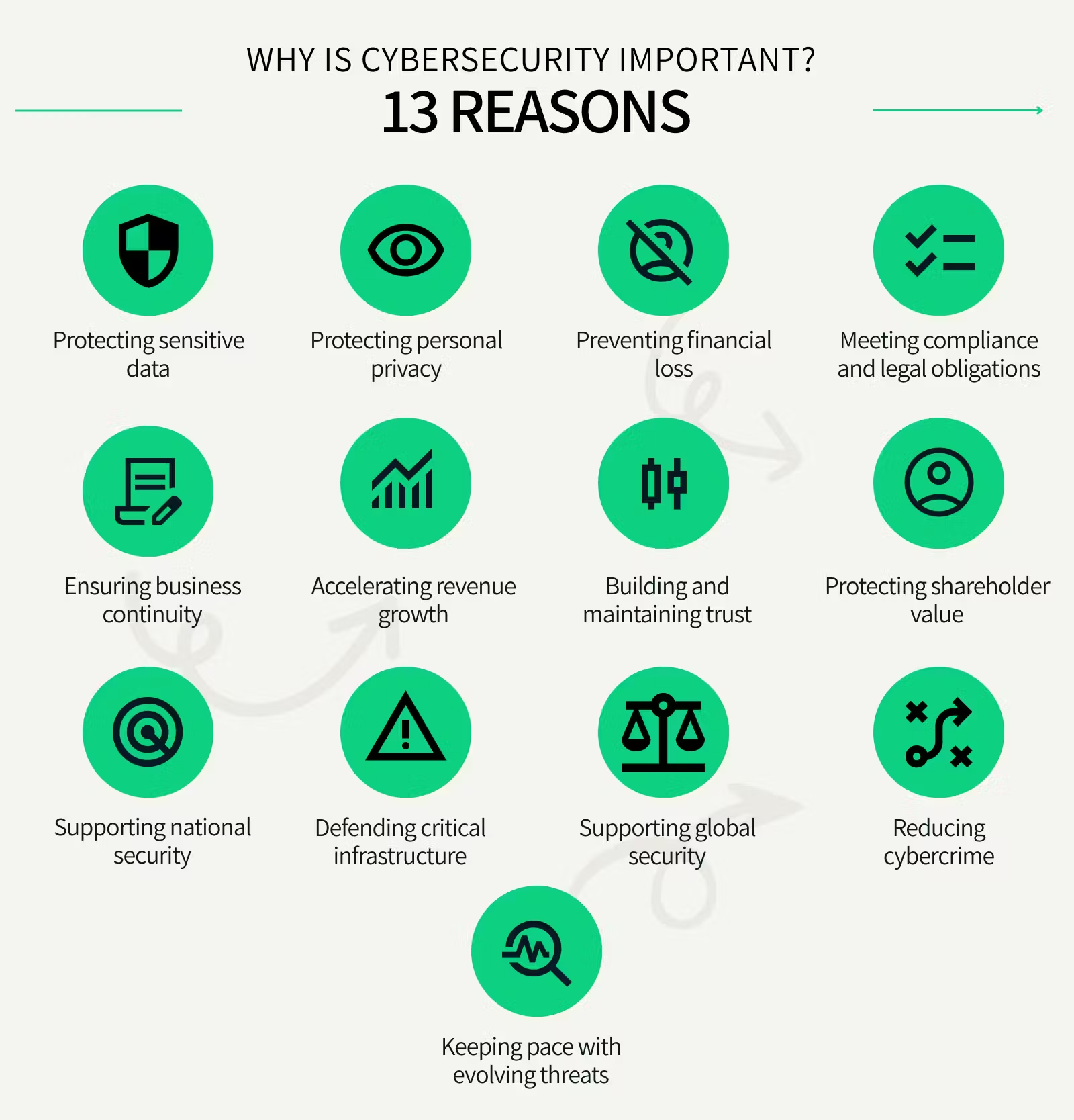
Cyber security helps protect privacy, keep trust, and guarantee systems continue running safely and reliably.
It is no longer just an “IT issue.” It affects everyone.
Common Cyber Threats
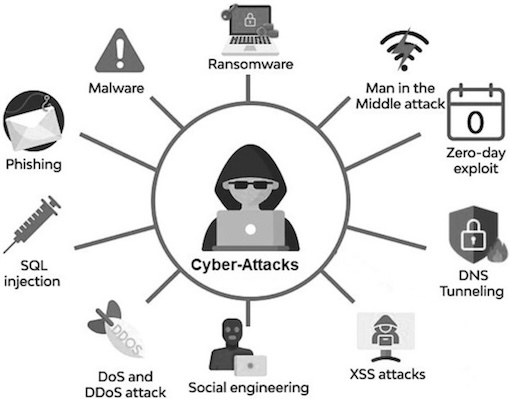
Most cyber incidents rely on simple, well-known tactics rather than highly advanced techniques. Phishing involves fake emails, texts, or messages that appear to come from trusted companies and aim to trick individuals into clicking malicious links or sharing sensitive information. Weak or reused passwords remain a major vulnerability, as attackers can often guess or crack them quickly.
Malware is harmful software hidden in downloads, attachments, or links that can steal data or damage systems. Ransomware attacks encrypt files or entire systems and demand payment to restore access. Social engineering manipulates people through trust, urgency, or fear to gain information or unauthorised access. In many cases, successful attacks focus more on human behaviour and decision-making than on technical flaws.
Simple Security Habits Everyone Can Follow
Improving security does not require advanced technical skills. Consistent, practical habits significantly reduce risk. Using strong, unique passwords for important accounts is foundational. Enabling multi-factor authentication (MFA) wherever available adds an additional layer of protection.
Keeping devices, applications, and operating systems updated ensures known vulnerabilities are patched. Remaining cautious with unexpected emails, attachments, and links reduces exposure to phishing and malware. Regularly backing up important files to a secure location protects against data loss, and avoiding unsecured public Wi-Fi for sensitive activities helps prevent interception. Effective security is usually about consistency and good habits rather than complexity.
Risky Behaviours to Avoid
Some of the greatest security risks stem from everyday shortcuts and convenience. Reusing passwords across multiple accounts increases the impact of a single breach. Clicking unknown links or downloading attachments without verifying the source introduces unnecessary risk. Sharing login details, storing credentials in plain text, ignoring software updates, or downloading unverified and pirated software from untrusted sites all create vulnerabilities over time. While these shortcuts may feel convenient in the moment, they often lead to long-term exposure.
The Benefits of Strong Cyber Security
Strong cyber security practices protect identity, personal data, and financial information. They reduce stress and minimise the disruption caused by incidents. For businesses, effective security helps prevent costly downtime and maintains operational continuity. Good security also preserves trust between organisations, customers, and partners. In a connected world, reliable protection enables innovation, growth, and confidence in digital systems.
A Practical Perspective
Cyber security is not about fear or paranoia; it is about awareness and informed decision-making. Most incidents arise from simple oversights and avoidable mistakes rather than highly sophisticated attacks. By understanding common risks and adopting safe digital habits, individuals and organisations can significantly reduce their exposure. Education and continuous awareness remain among the most effective forms of protection.
 Sabit Esati | Cyber Security & IT Portfolio